
Mental Health & Emotional Wellness
Understanding your mind. Supporting your healing. Strengthening your well-being.
Caring for Your Mental Health
Mental health is an essential part of overall well-being. Here, you’ll find compassionate, evidence-based information to help you better understand mental health, recognize common challenges, reduce stigma, and discover practical ways to support emotional wellness.
Anxiety & Stress
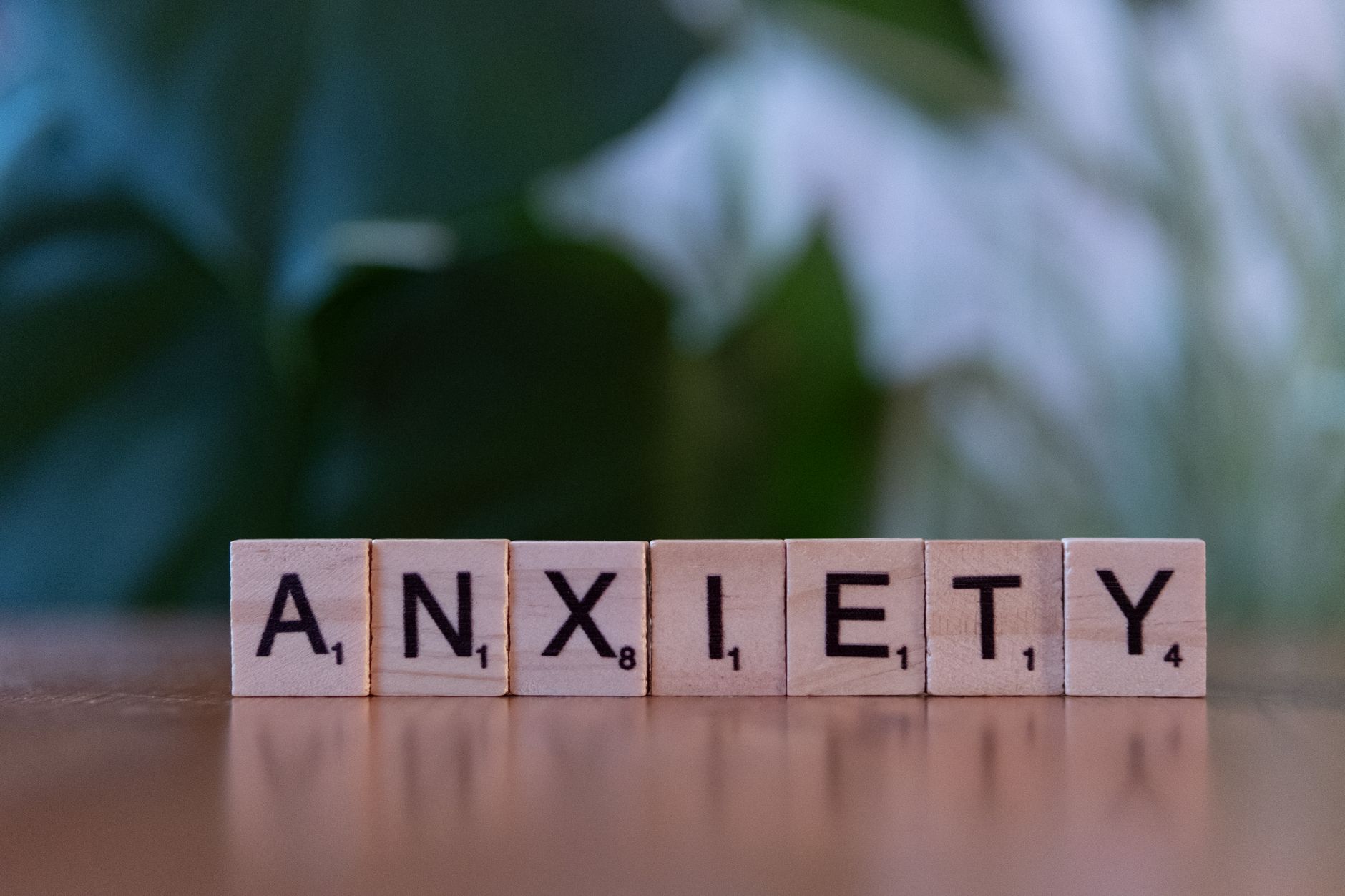
Anxiety and stress are common experiences that can affect your thoughts, emotions, sleep, relationships, and daily life. Learn to recognize the signs, understand potential triggers, and explore healthy, evidence-based strategies to manage symptoms and improve emotional well-being.
Depression & Mood
Depression can affect how you feel, think, sleep, and function in everyday life. Understanding the signs and symptoms is an important step toward seeking support, exploring effective treatment options, and finding hope on the journey toward emotional wellness.

Sleep & Rest
Did you know? Quality sleep plays an important role in mental and emotional well-being. Learn how sleep affects mood, stress, and overall health, along with practical strategies for developing healthy sleep habits.
TIPS: Keep a consistent sleep and wake time, create a relaxing bedtime routine, reduce caffeine later in the day, Keep the bedroom comfortable, quiet, and dark, and anaging stress through prayer, breathing, journaling, or relaxation.

Self-Care & Emotional Wellness
Self-care is more than relaxation—it includes everyday practices that support your emotional, physical, and mental well-being. Healthy boundaries, meaningful connections, physical activity, rest, and making time for yourself can all contribute to overall wellness.

When to Seek Professional Help
Mental health challenges can sometimes become difficult to manage alone. Consider speaking with a qualified healthcare or mental health professional if symptoms are persistent, worsening, interfering with daily life, relationships, work, or sleep, or causing significant emotional distress. Seeking support is a sign that you take your well-being seriously.
References & Resources
Blackwelder, A., Hoskins, M., & Huber, L. (2021). Effect of inadequate sleep on frequent mental distress. Preventing Chronic Disease, 18, 200573. https://doi.org/10.5888/pcd18.200573
Park, C. L., Kubzansky, L. D., Chafouleas, S. M., Davidson, R. J., Keltner, D., Parsafar, P., Conwell, Y., Martin, M. Y., Hanmer, J., & Wang, K. H. (2022). Emotional Well-Being: What It Is and Why It Matters. Affective Science, 4(1), 10. https://doi.org/10.1007/s42761-022-00163-0
World Health Organization. (2025). Depressive disorder (depression). World Health Organization
Medical Disclaimer
The information provided on Mind, Faith & Wellness is for educational and informational purposes only and is not intended to replace professional medical advice, diagnosis, or treatment. Always consult a qualified healthcare professional regarding questions or concerns about your mental or physical health. If you are experiencing a medical or mental health emergency, seek immediate professional assistance.

